Table of Contents
Introduction

There is a common belief in the modern world that Arabic is the second hardest language in the world, right behind Mandarin. But here's the truth: no language is hard. The challenge comes down to the effort you're willing to invest. Arabic may have its complexities such as the unique script, intricate grammar, and rich cultural heritage, but these challenges are simply milestones along the journey to mastery. What really matters is consistent, immersive practice. With the right approach and dedication, Arabic becomes just another language you learn by stacking up daily efforts.
I started teaching myself the language at 15 years old, and within a year, I had already built a solid foundation. I wasn't aiming for perfection; I was aiming for progress, which beats anyone pursuing excellence. I listened to podcasts, mimicked native speakers online, and even switched my social media feeds to Arabic. Little by little, the language that once seemed foreign started to feel natural, and grammar rules, rather than intimidating obstacles, became stepping stones to better understanding.
What drove me to learn Arabic?
I grew up speaking Farsi — a language with its own unique rhythm, script, and vocabulary. While Farsi was the language of my home, culture, and family stories, it was always different from Arabic. I used to resist learning how to read and write; my mother would even try to push me into it, but I'd recoil. It wasn't until my mom enrolled me in a boot camp that things clicked. It took me 3 Sundays to learn the entire script. Farsi came naturally, and I saw my progress in it as I learned to read and write basic phrases. Yet, strangely enough, I was always drawn to Arabic. It was like the kind of attraction that sneaks up on you and, over time, grows into a deep, unanticipated bond.
Within a few months, I decided to pursue Arabic by initially practicing with Egyptian friends. That taught me a valuable lesson: while conversational dialects have their charm, building a strong foundation in Modern Standard Arabic (MSA) creates a solid base for everything else, from advanced literature to understanding religious texts.
Who is this book for?
This guide is for you, the absolute beginner. Someone who has zero knowledge about Arabic but has the desire to learn. Maybe you don't have native access, or perhaps you're just starting out and feeling overwhelmed by the common misconceptions. Whether you're drawn to Arabic for academic pursuits, religious reasons, or even to grasp the language as a whole, this book is designed to take you step-by-step through the process.
Debunking the Myth:

People like to think that Arabic is insurmountably hard. I'm here to tell you that while it has its challenges (the unfamiliar script and intricate grammar), the language itself isn't a wall you can't climb. It's all about consistent effort and immersive practice. Arabic is like any other language: it becomes manageable, even enjoyable, once you invest the time to let your brain absorb it naturally. The hurdles are just markers on a path that, with the right approach, will lead you to fluency.
Chapter 1: Mindset Over Memorization
The Truth About Fluency
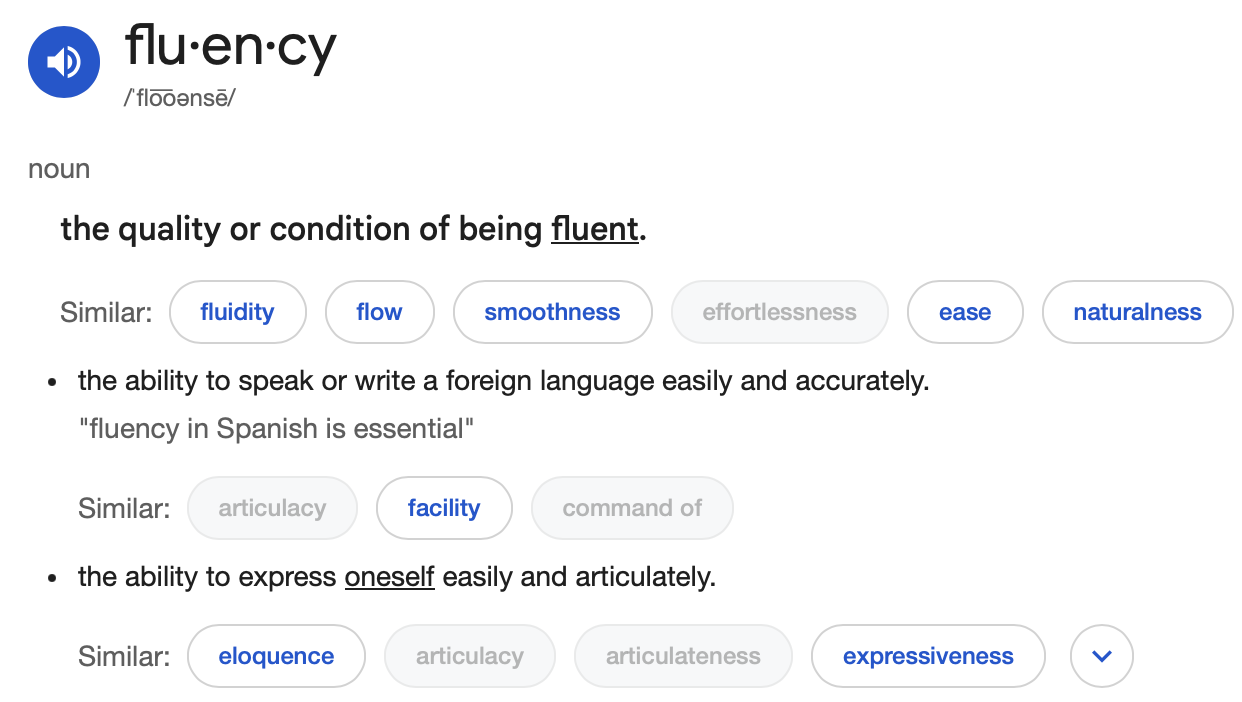
There's a widespread myth that to become fluent in Arabic, you must commit to endless hours of memorization by cramming vocabulary lists and parsing every grammar rule until your brain burns out. The truth is that fluency isn't built solely on memorization. While learning individual words and rules is part of the process, true fluency comes from understanding how those pieces function in real contexts. The definition of fluency is "the ability to speak or write a language easily, well, and quickly." Thus, you don't need the perfect level of proficiency to be fluent, you just have to use the language properly.
Consider that language is a living system: it evolves as you use it. Language is learned through integration; by seeing, hearing, and practicing it continuously, you build an internal framework that goes far beyond isolated lists.
The Power of Immersion
One of the most powerful lessons I learned along the way was the value of immersion. Instead of getting lost in endless drills, I started consuming Arabic content every day. Whether it was listening to podcasts, watching videos, or reading news and literature, each moment of exposure compounded over time. Immersive learning is like depositing small amounts into a bank — the benefits grow exponentially.
"I started listening to podcasts, mimicking native speakers online, and even switched my social media feeds to Arabic. Little by little, the language that once seemed foreign started to feel natural."
The act of constantly hearing and observing the language in context reprograms your brain. With each hour spent listening to natural conversations or engaging with authentic content, your subconscious begins to absorb patterns and sounds until speaking and comprehension become second nature.
Overcoming Overwhelm
When you're just starting out, the details can feel like a tidal wave. Suddenly, there are twenty-nine letters to master, an entire system of vowel markers and varied letter forms, not to mention the intricate grammar and cultural idioms. I, too, felt overwhelmed at times. The trick is not to try to learn everything at once. Break your journey into manageable parts. Focus first on recognizing and writing the alphabet and don't stress about mastering pronunciation or grammar on day one. Then, gradually layer in key vocabulary, basic sentence structures, and frequent listening practice. Embrace mistakes, knowing that each error is simply a stepping stone toward progress. Remember: progress beats perfection.
A Note for Beginners
This book is for anyone with zero prior knowledge of Arabic. If you've ever felt intimidated by how "hard" Arabic seems, know that the secret is in building the right mindset. Instead of getting trapped in the cycle of memorizing isolated rules, focus on immersing yourself. Expose yourself to the language through every medium possible. Even when you make mistakes or feel like you're just scratching the surface, every bit of input adds up. The journey may seem long, but consistent, focused effort transforms the complex into the comprehensible. And as you learn, you'll discover that fluency isn't an abstract, unreachable goal. It's built, step by step, through daily practice.
Chapter 2: The Alphabet
Free Preview Ends Here
All 8 chapters, the full alphabet breakdown, vocabulary strategy, my daily routine, and 25 AI prompts — 32 pages total. Instant PDF download.
Works for complete beginners · one-time purchase